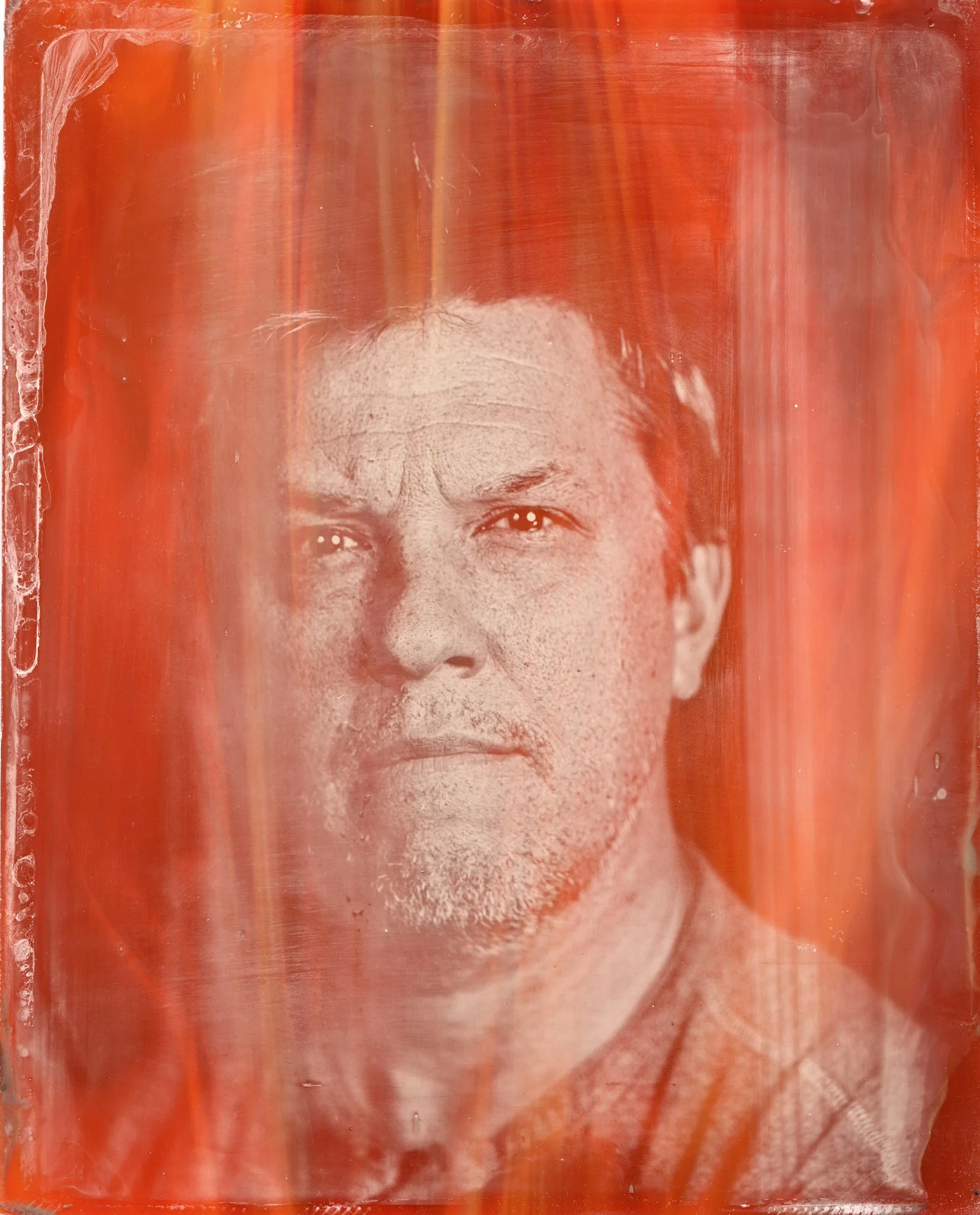
Ambrotypes & Glass Negatives
The ambrotype
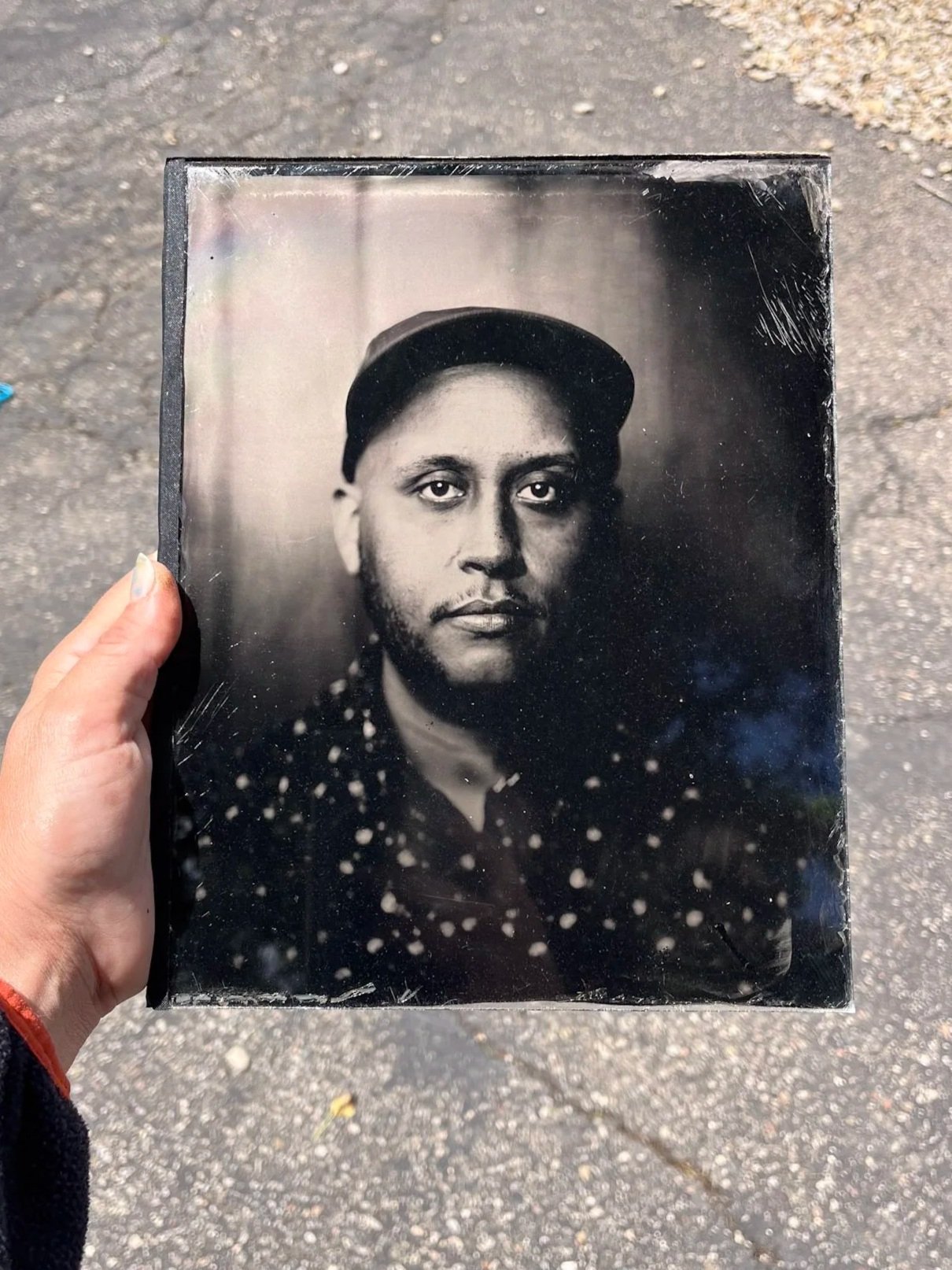
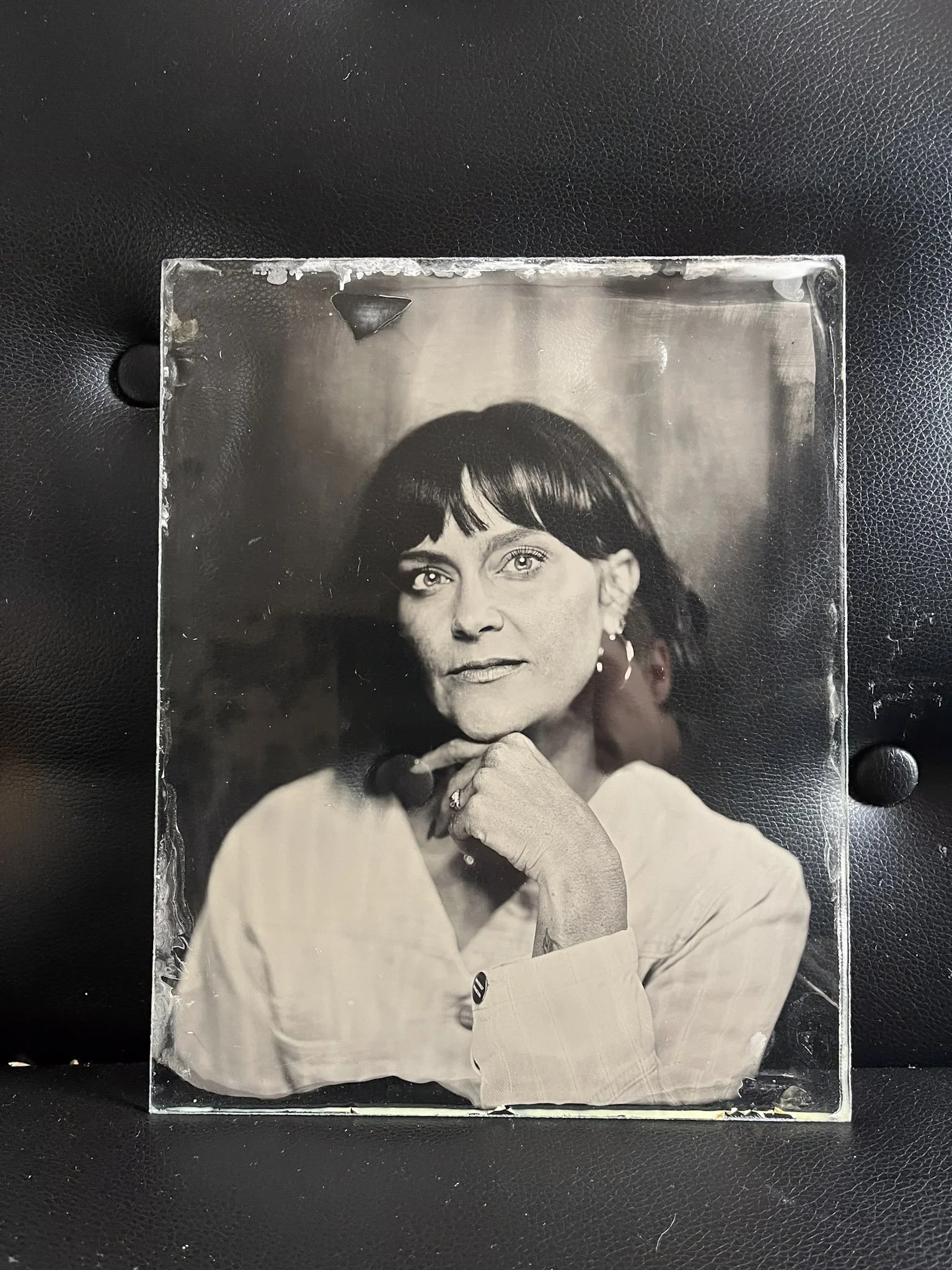
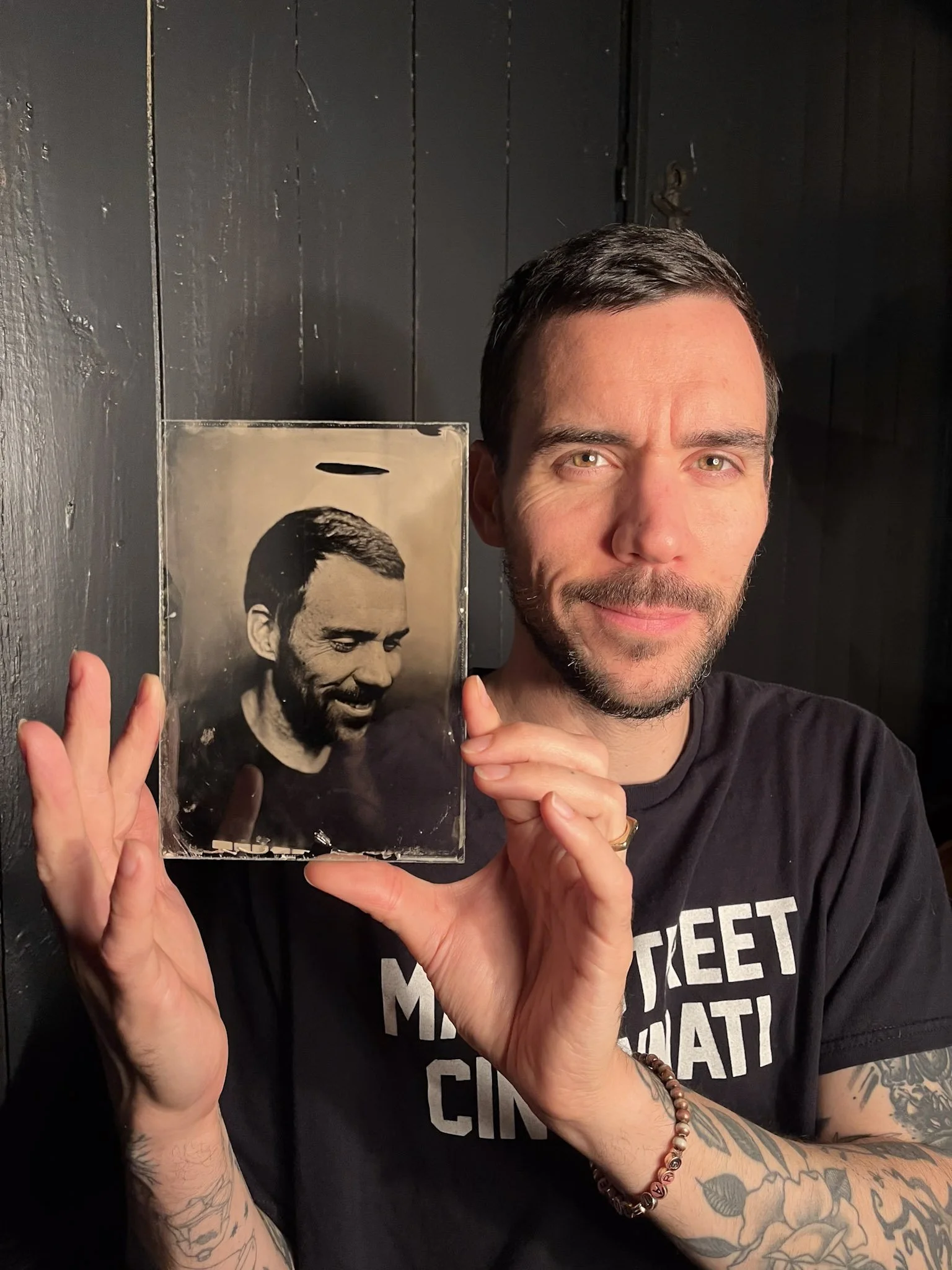
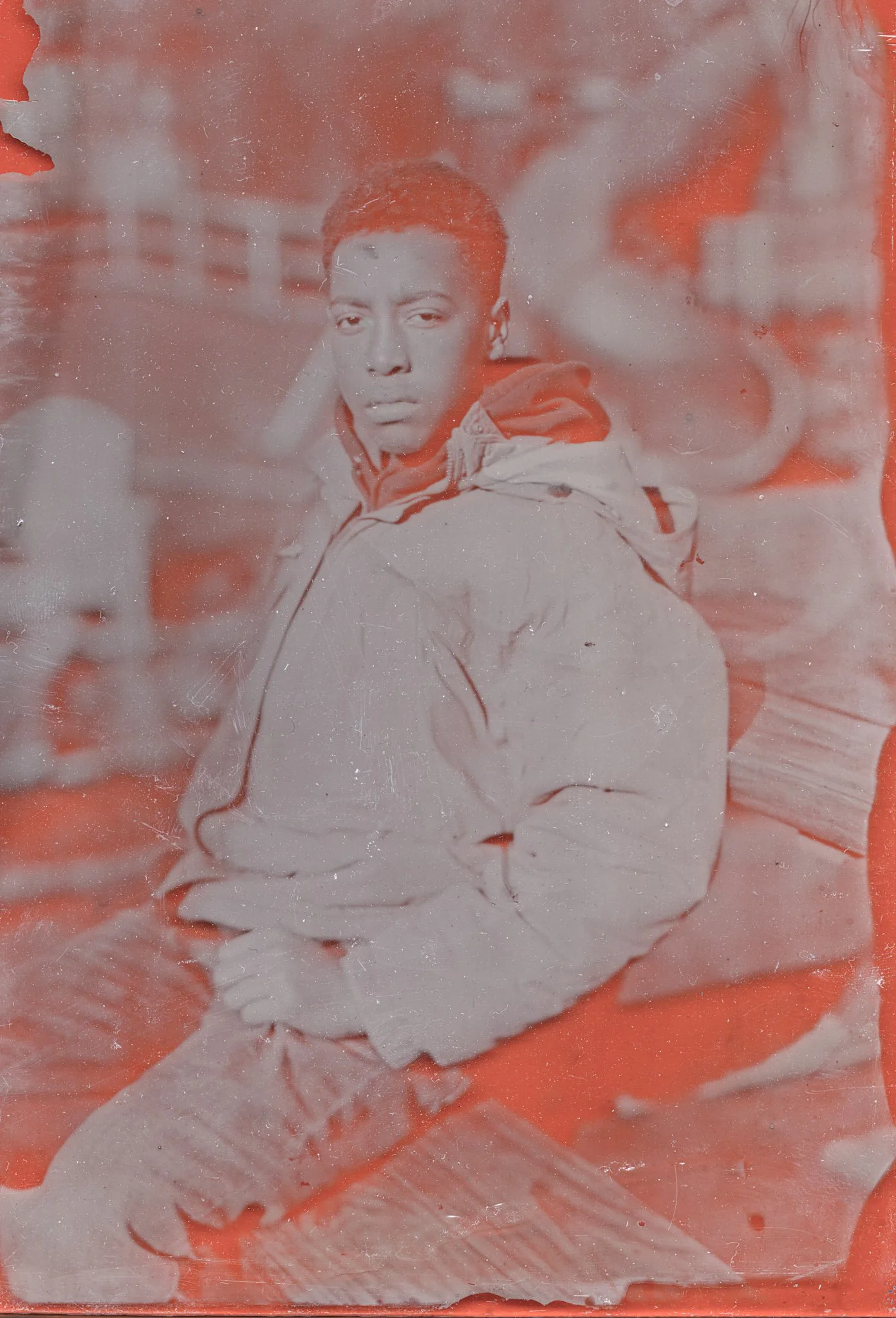
The ambrotype process was introduced around 1853, offering a cheaper and faster alternative to the daguerreotype. It is essentially a collodion negative on a sheet of glass that is made to appear as a positive when backed with a dark material (like black paint, fabric, or paper). This breakthrough made photographic portraiture more accessible to the rising middle class in the late 1850s and early 1860s, before and while tintype took over as the truly mass-market format.
The ambrotype captured the fine detail inherent to the wet-plate collodion process, often rivaling the clarity of a daguerreotype but at a lower cost. The visual effect is luminous and unique; the image appears to float just beneath the glass surface. Because the backing material was often visible or even deteriorated over time, the resulting image has a subtly varied and often darker tonality compared to the bright reflection of a daguerreotype, lending early ambrotype portraits a distinct, perhaps more intimate or melancholic, mood.